Using Security Posture to Justify Premium Pricing Tiers
Why Security Posture Affects Pricing Power
I have seen teams treat security as overhead until a larger buyer arrives with a questionnaire and a procurement checklist. Then the controls suddenly matter.
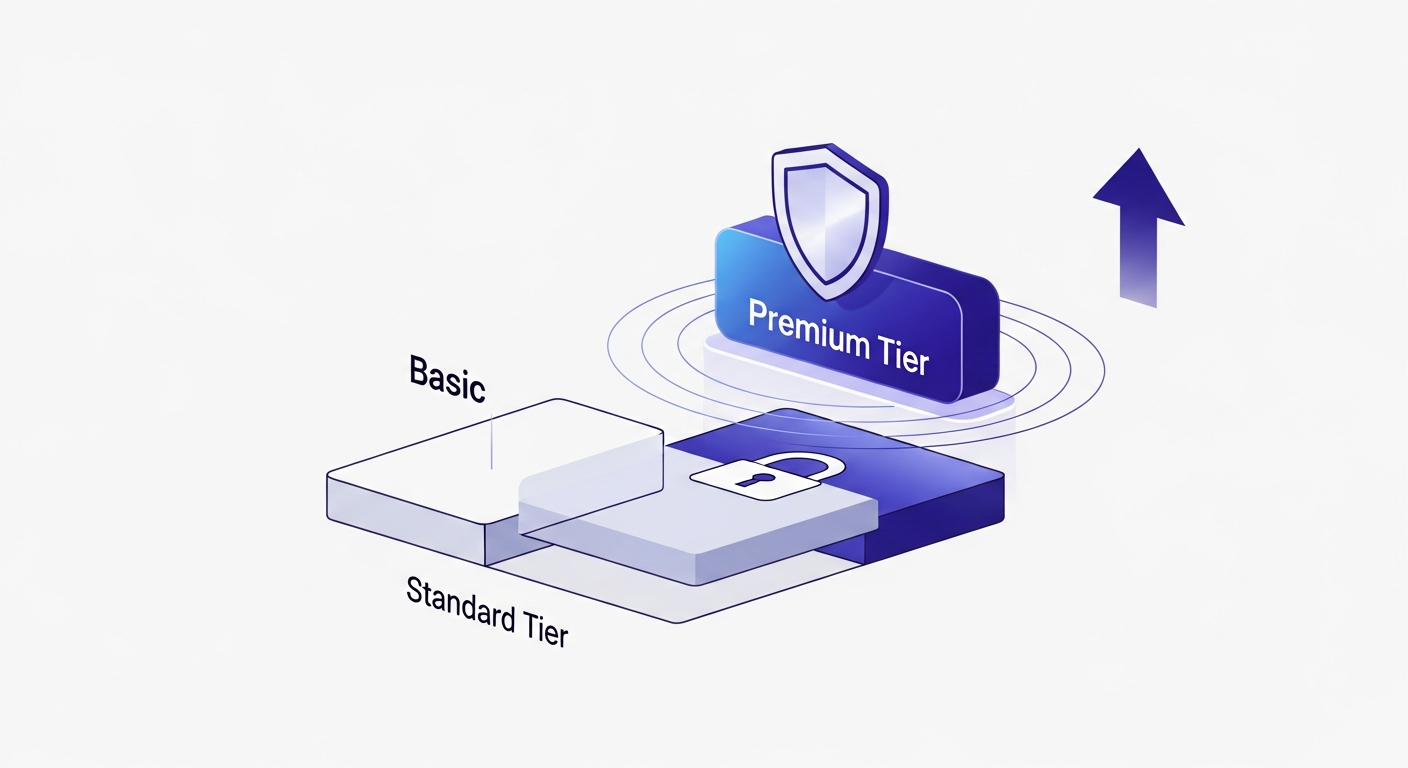
A stronger security posture does not magically justify a higher price. What it does is remove friction for buyers who need to defend the purchase internally. If your product handles customer data, admin access, or regulated workflows, security becomes part of the value, not just a backend task.
The pricing connection is straightforward: fewer doubts, fewer escalations, faster approval. That is real value to buyers who have to explain the purchase to finance, legal, and IT.
What Buyers Actually Check Before Paying More
Buyers rarely ask for “good security” in the abstract. They ask for proof that risk is controlled.
Trust Signals That Reduce Sales Friction
These are the things that shorten review cycles:
- documented access control and MFA for staff accounts
- SSO and SCIM for enterprise identity management
- audit logs that show who did what and when
- clear data retention and deletion policies
- incident response contacts and timelines
- third-party assurance like SOC 2 or ISO 27001 when relevant
If you sell to larger teams, these signals often matter as much as a feature checkbox. I have watched deals stall not because the product was weak, but because nobody could explain how access was controlled or how data left the system.
Evidence That Stands Up in Procurement
Procurement tends to reject vague statements. You need artifacts.
| Control | What a buyer wants | Weak answer |
|---|---|---|
| Authentication | MFA, SSO, role separation | “We take security seriously” |
| Access review | Admin access is limited and reviewed | “Only trusted people can log in” |
| Logging | Exportable, tamper-resistant audit trail | “We can probably look that up” |
| Data handling | Retention, encryption, deletion | “We keep data safe” |
| Assurance | External audit or signed report | “We are working on compliance” |
A premium tier feels credible when these artifacts exist and are easy to share. Without them, a higher price can look like a tax on hope.
Turning Security Work Into a Premium Tier Story
The mistake is to describe security as a vague upgrade. That sounds like marketing filler. The better move is to map controls to buyer risk.
Map Controls to Buyer Risk
Ask what would hurt the buyer most if it went wrong:
- unauthorized access to customer records
- an unreviewed admin action affecting production data
- no proof of who changed a setting
- data retained longer than expected
- inability to complete a vendor review
Then tie each premium feature to a risk reduction.
For example:
- SSO and SCIM reduce account sprawl and offboarding risk.
- Granular roles reduce accidental privilege escalation.
- Audit logs reduce internal and external investigation time.
- Data export and deletion controls reduce legal and retention concerns.
- Dedicated support for security reviews reduces sales delay.
This is where the pricing story becomes concrete. You are not charging more because the dashboard has a lock icon. You are charging more because the buyer avoids real operational pain.
Package Proof, Not Just Promises
A premium tier should include a proof pack:
- security overview PDF
- architecture diagram with trust boundaries
- sample audit log entries
- sample DPA or privacy language
- list of subprocessors
- vuln disclosure process
- pen test summary or attestation if available
I like to think of this as procurement-ready by default. If your team has to scramble every time a serious customer asks for evidence, the premium story is too fragile.
Common Mistakes That Undercut the Message
The fastest way to weaken a security-based tier is to overstate it.
- Do not say “enterprise-grade” without naming controls.
- Do not bundle basic hygiene as a premium differentiator if every buyer expects it.
- Do not claim compliance you do not have.
- Do not make pricing depend on security language while the product still exposes weak defaults.
- Do not hide security documents behind sales theatrics.
Another common failure is mismatch. If the premium tier promises stronger controls, but the self-serve plan still gives broad admin access or weak auditability, buyers notice. Security claims need to line up with the actual product behavior.
How to Present Security Without Sounding Inflated
Keep the message operational.
A good pitch sounds like this:
The higher tier includes SSO, audit logs, scoped roles, and faster security review support so your team can pass procurement with less friction.
A bad pitch sounds like this:
Our premium platform delivers unmatched trust and next-generation protection for modern businesses.
The first version is specific and useful. The second one is noise.
I usually recommend three rules:
- Name the control.
- Name the buyer pain it removes.
- Show the evidence.
If you can do that, the premium tier feels justified instead of inflated.
Conclusion
Security posture can support premium pricing when it lowers buyer risk in a way procurement can verify. The value is not just being secure. The value is moving a deal through trust, review, and approval with less friction.
If you want the higher tier to hold up, make sure the offer includes controls, proof, and clear language. Buyers will pay for that because it saves them time, reduces exposure, and makes the internal approval process easier.